
THE HUU
THE HUU PROJECT
The Huu: project has been initiated to address sexual violence during war, crimes against humanity and genocide, also referred to as conflict-related sexual violence.
NGOs from Bosnia and Herzegovina (Medica Zenica), Rwanda (Solace Ministries) and the Netherlands (Impact: Center against Human Trafficking and Sexual Violence in Conflict & Justice for Women), Bosnian artist Smirna Kulenovic and Christina Chi Zhang, have partnered together. We bring a special project addressing sexual violence in the war in Bosnia and Herzegovina during 1992-1995 and in the genocide against the Tutsi in Rwanda in 1994. The aim of Huu: is to involve a wide international audience to participate in the project.
Throughout history sexual violence has been used as a weapon of war and genocide on all continents. The problem is not limited to a certain time, country or religion. It has been widespread and used in countries such as Bosnia, Rwanda, Sierra Leone, Sri Lanka, Uganda, Syria, Iraq, Afghanistan, Burundi, the Central African Republic, the Democratic Republic of the Congo, Myanmar, Somalia, South Sudan, Colombia, Kosovo, Yemen, Ukraine, and during World War II in different parts of Europe and Asia. While there are no exact statistics on the number of victims and survivors, estimates point to staggering numbers running in the thousands to hundreds of thousands per country.
In Rwanda, between 250,000 and 500,000 women and girls, as well as an unknown number of men and boys, were exposed to a myriad of cruel forms of sexual violence over the span of 100 days during the genocide against the Tutsi in 1994. Sexual violence was used as an effective tool of genocide to destroy the Tutsi population.
In Bosnia and Herzegovina the estimated number of women, girls, boys and men who experienced sexual violence range from 20,000 to 50,000 during the war in 1992-1995.
Significant progress has been made the past three decades in understanding and prosecuting these crimes. But still a lot needs to be done. Survivors of sexual violence are often the most difficult to identify and this type of crime is easily misunderstood. They represent a specific group of marginalised persons. Most are impoverished, traumatised, isolated and unable to access justice or reparations. Many survivors of sexual violence are reluctant to come forward because of associated trauma and stigma.
Sexual violence is an effective instrument because of socials norms and stigma that surround sit. That is what upholds it. It is one of the most complex crimes there is, as it is designed in such a manner to tear the fabric of our communities, bring shame to survivors and terrorize populations. But what upholds these crimes is also the same thing that can tackle the effectiveness of this crime.
As taboo and stigmatization are upheld by society, people in society also have the power to change it. And that is what we will be doing with this art project: learning how to discuss taboos and bridging the social gap to tackle the impact of these crimes.
Lejla Ramovic (founder of Justice for Women) came up with this initiative as she believes that art is an enormous powerful tool to tell a story and to convey emotions. It helps the viewer to feel and see what is not easily perceived and to examine new perspectives and their connections with survivors and the society they live in and the roll they are playing in creating space for survivors to tell their story and help them heal. It helps them to examine new perspectives and how they are connected with survivors of conflict-related sexual violence and the society they live in. It also helps the viewer to see and think about the roll they are playing in creating space for survivors to tell their stories and help them heal.
That is how she came up with the idea to work with artists and invite communities to engage with the project.

We will start this project in Rwanda and Bosnia and Herzegovina first, as these countries faced similar histories and crimes at the same time. To show how huge these crimes are and the staggering numbers of victims we will keep including stories from survivors from different countries where these crimes have occurred. Conflict-related sexual violence is a crime that spans over eras, culture, continents and countries.
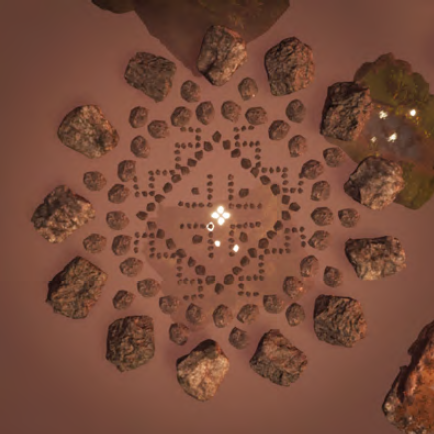
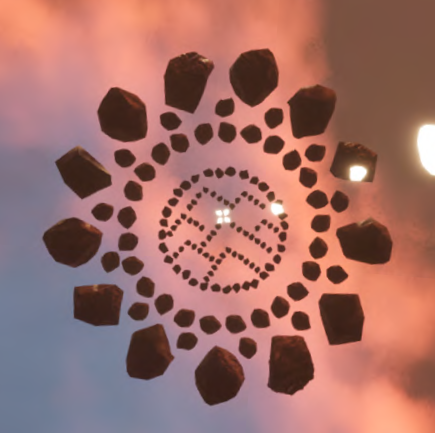
The artwork is called Huu: and designed by Bosnian artist Smirna Kulenovic and Christina Chi Zhang. ‘Huu:’ is a virtual mnemonic landscape based on personal histories of 22 survivors of sexual violence in the war in Bosnia and Herzegovina in 1992-1995 and the genocide against the Tutsi in Rwanda in 1994. The voices of these women and men inhabit an archipelago of floating islands, where each ecosystem reveals particular memories of a certain participant, in their journey from trauma to healing. We travel through these islands as wind, creating subtle gestures over waters and plant species, unveiling the documentary audio-recordings.
As an intersection between ecological and personal memories, this project creates a safe space for survivors to tell their stories, giving them a chance to speak up about experiences which oftentimes remain taboo in their local societies. Huu: makes it possible for participants from geographically distant war and genocide-torn countries to unite in a virtual space and co-create a healing archipelago.
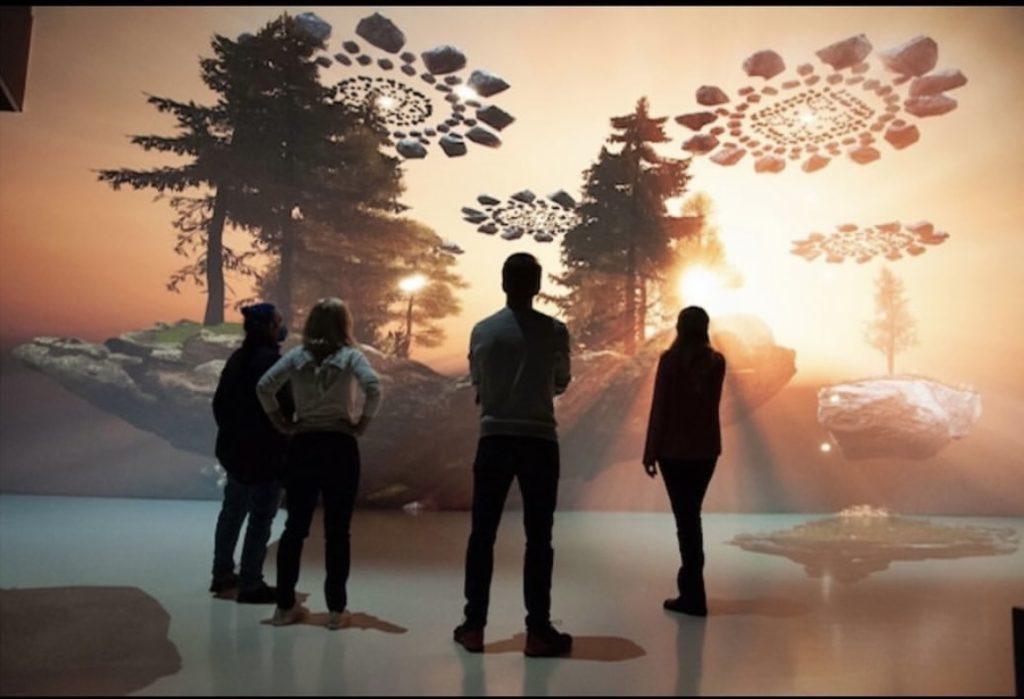
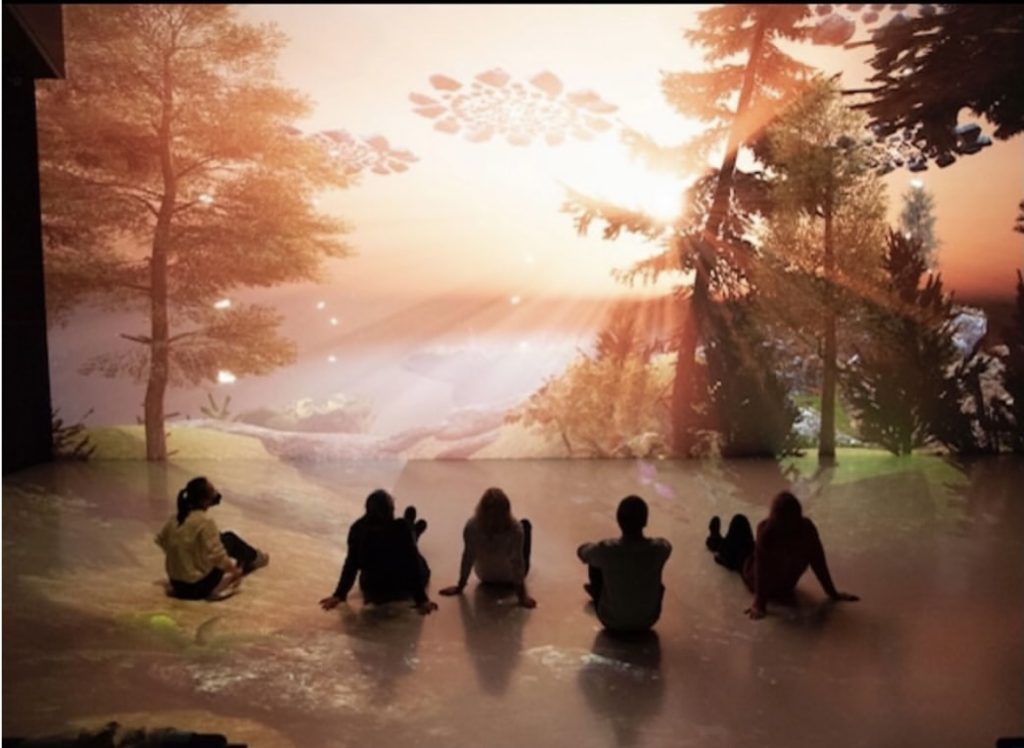
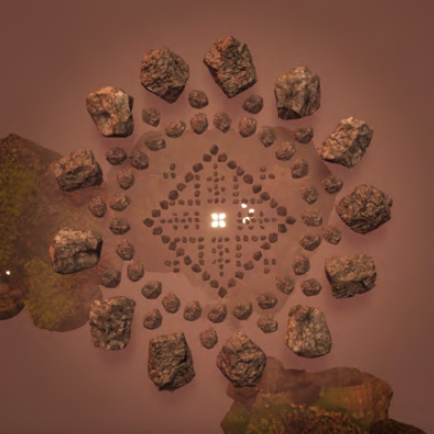
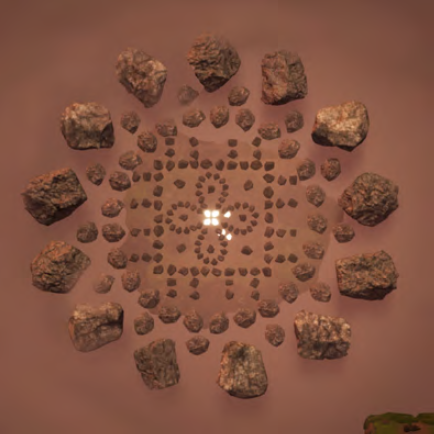
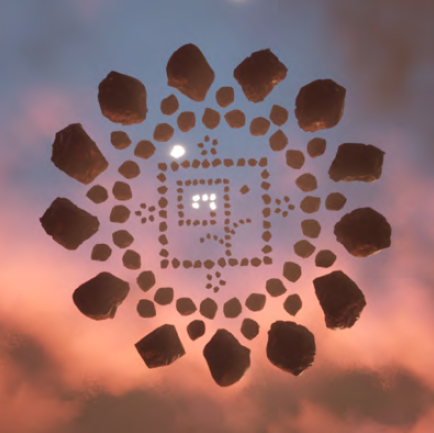
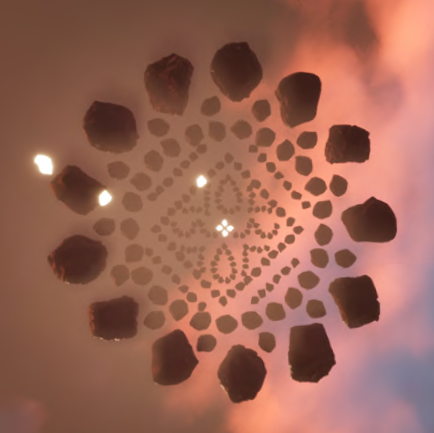
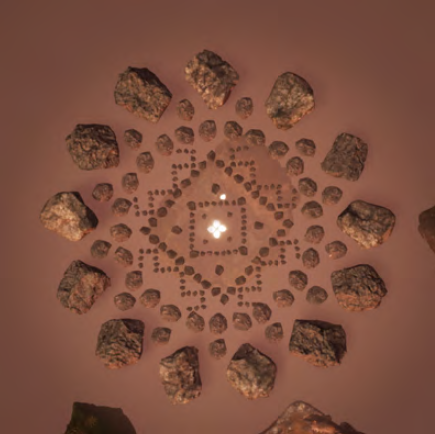
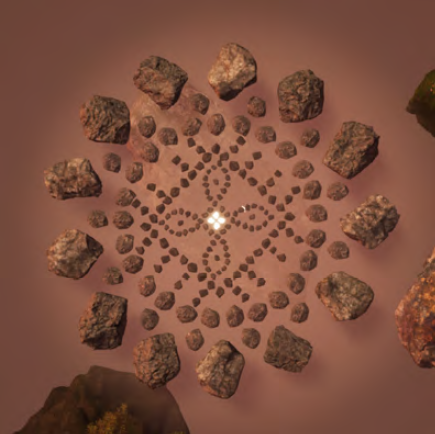
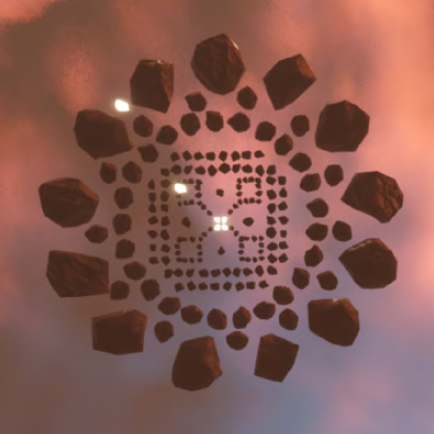
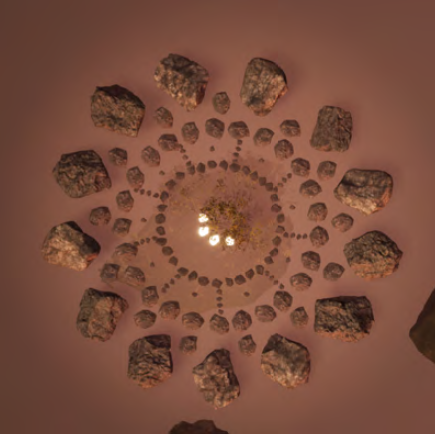
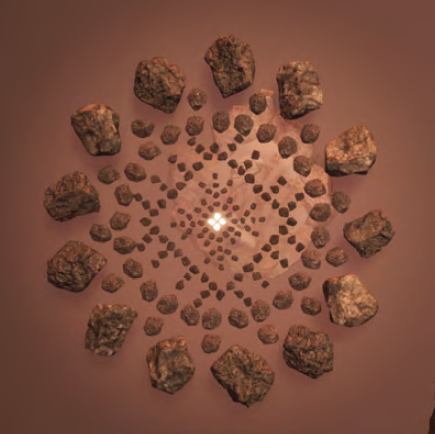
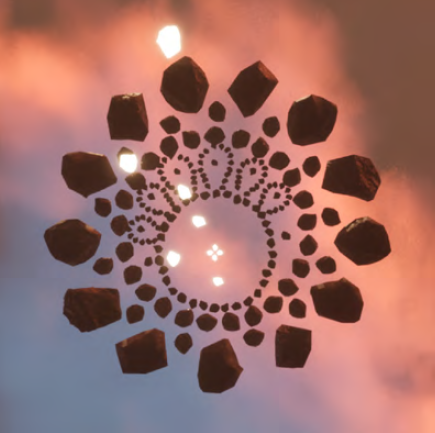
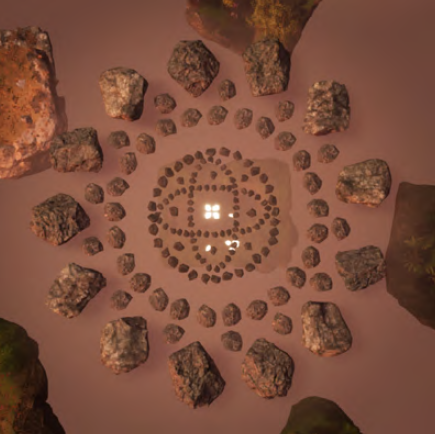
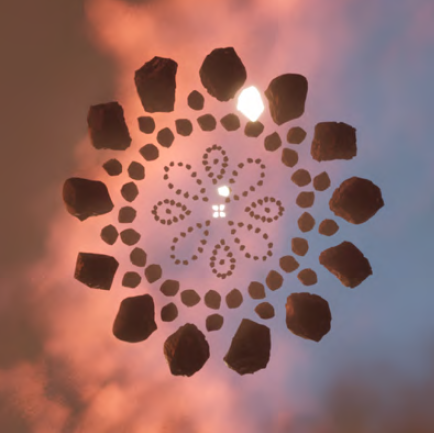
There is a virtual museum, so everyone in the world can see and hear the stories of survivors. Physical presentation of the work will be presented in different cities and countries where whole society can join us. We want to travel throughout the countries and engage with people in discussion and talk about the taboos and change the attitude.
With this project we want to invite people and communities to engage with us, to talk about taboos and help us address all aspects of social power and gender inequalities that leads to violence. If we change social and cultural norms we can eliminate power and gender inequality. Survivors deserve support, not stigma. We need to put shame and accountability where it belongs and that is with the perpetrators.
Where politicians, lawmakers and even societies failed before, we can make a difference. So, join us and let us change future together and discuss alternative ways to break the silence, learn to discuss taboos, change social norms and attitudes toward survivors, close the social gap, tackle the effectiveness of this crime and prevent and address sexual violence in war, crimes against humanity and genocide in the future. Follow us on social media (huu.world/ Justice2women) and join our activities which will be announced on our website and Instagram page (HUU.world and justice2women().
Therefore, we want to take this journey with you by engaging in discussions and break down social constructions that uphold these crimes and become a part of a solution. We cannot wait to meet you and open revolutionary pads with you for new solutions.
Impact, Justice for Women, Medica Zenica, Solace Ministries, Smirna Kulenovic and Christina Chi Zhang